
Home improvement projects can range from small cosmetic updates to large-scale renovations. No matter the scope,...
Latest posts
-
 What can you do with a 4-in-1 staple gun in home improvement projects?Read more
 -
 When should you use a light duty staple gun for home repairs?Read more
From tacking up lightweight trim to securing insulation, a light duty staple gun can be a surprisingly versatile tool...
-
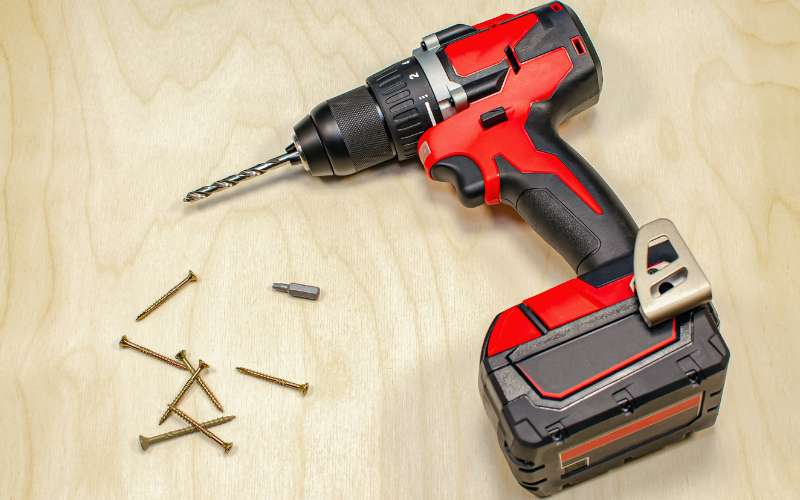
 How to choose the best cordless electric screwdriver for home projects?Read more
Whether you're tackling a simple shelf installation or embarking on a more complex home renovation, the right tool...
-
 What are the benefits of using multifunctional pliers for various tasks?Read more
In a world filled with specialized tools, it's easy to overlook the unsung hero of the toolbox: the multifunctional...
-
 Why use adjustable water pump pliers for plumbing and household repairs?Read more
Plumbing and household repairs often involve tightening, loosening, or gripping a variety of objects with different...
-
 How to safely use a quick change utility knife for cutting tasks?Read more
The quick change utility knife is a versatile tool for a variety of cutting tasks around the home, workshop, or job...
Blog categories
Search in blog
When should you use a light duty staple gun for home repairs?
When Light Duty Staples Shine
Light duty staple guns excel in a variety of common home repair scenarios, often providing a faster and more efficient alternative to hammering nails. Consider these situations where a light duty staple gun proves particularly useful:
- Tacking up Trim and Molding: For lighter trim pieces around windows, doors, or baseboards, staples offer a secure yet easily removable hold.
- Securing Insulation:** Lightweight staple guns are perfect for fastening insulation batts within walls or attics. They provide a quick and effective way to hold the insulation in place.
- Furniture Upholstery: Light duty staples can be used to attach fabric covers to furniture frames, offering a sturdy yet removable connection for reupholstering projects.
- Craft Projects: From attaching embellishments to creating decorative designs on paper or fabric, light duty staple guns provide precise and manageable fastening for a range of craft endeavors.
Understanding the Limitations
While light duty staple guns are incredibly versatile, it's crucial to recognize their limitations. Attempting to use them for applications beyond their intended purpose can lead to compromised results or even damage to materials. Here's what you should avoid:
Heavy-Duty Construction:
Light duty staple guns are not designed for structural applications requiring significant weight-bearing capacity. Projects like framing walls, building decks, or reinforcing load-bearing structures demand heavier-duty staples and tools.
Dense Materials:
Thick wood planks, plywood, or hardboard often require stronger fasteners than those offered by light duty staple guns. Attempting to staple through these materials can result in bent staples or inadequate hold.
Unstable Surfaces:
If the surface you're working with is uneven, fragile, or prone to shifting, light duty staples might not provide a secure hold. For these situations, consider using nails or screws for a more reliable connection.
Choosing the Right Staples
Just as the wrong tool can cause frustration, selecting the incorrect staples can lead to ineffective results. When choosing staples for your light duty gun, consider:
Staple Length:
The staple length should be appropriate for the thickness of the material you're fastening. Generally, shorter staples are suitable for thinner materials like fabric or foam board, while longer staples provide more holding power for slightly thicker items like wood trim.
Gauge Thickness:
Staple gauge refers to the thickness of the wire used in the staple. For most light duty applications, a 18-gauge or 20-gauge staple will suffice. Thicker gauges are generally used for heavier-duty tasks.
Staple Type:
Light duty staple guns can accommodate various staple types, including flat, round, and brads. Flat staples are versatile and work well for general fastening tasks, while round staples provide a more secure hold in thicker materials. Brads are ideal for delicate applications where minimal visibility is desired.
Safety Precautions
Always prioritize safety when using any power tool, including light duty staple guns. Follow these essential precautions:
- Wear safety glasses to protect your eyes from flying staples or debris.
- Use gloves to prevent injuries from sharp staples or the gun's mechanism.
- Keep your fingers away from the staple firing area at all times.
- Make sure the work surface is stable and free of obstructions.
- Disconnect the power source before changing staples or performing any maintenance.
Maintenance Tips
Proper maintenance ensures your light duty staple gun performs reliably for years to come. Follow these tips:
- Remove any jammed staples promptly and carefully.
- Clean the staple chamber regularly with a soft brush or compressed air.
- Lubricate moving parts as recommended in the manufacturer's instructions.
- Store your staple gun in a dry, safe location when not in use.
Conclusion
Light duty staple guns are invaluable tools for tackling numerous home repair and crafting projects. By understanding their capabilities, limitations, and proper usage techniques, you can leverage these versatile tools effectively and achieve satisfying results. Remember to prioritize safety, choose the right staples, and maintain your tool for optimal performance.
Choosing the Right Light Duty Staple Gun
With a wide array of light duty staple guns available on the market, selecting the perfect one for your needs can seem overwhelming. Consider these factors to make an informed decision:
- Power Source: Choose between corded or cordless models based on your project requirements and convenience.
- Staple Capacity: A higher staple capacity reduces the need for frequent reloading, ideal for larger projects.
- Depth Adjustment: This feature allows you to control the depth of staples, preventing damage to delicate materials or excessive penetration.
- Ergonomics and Weight: Opt for a comfortable grip and manageable weight to minimize fatigue during extended use.
Common Uses for Light Duty Staple Guns
Light duty staple guns are incredibly versatile tools, finding applications in various home repair and DIY projects:
- Upholstery Repair: Secure fabric to furniture frames, headboards, or cushions.
- Craft Projects: Join paper, felt, or lightweight fabrics for scrapbooking, card making, or other crafts.
- Home Decor: Hang lightweight artwork, photos, or decorative accents using adhesive-backed staples.
- Repairing Blinds and Curtains: Secure cords or fabric panels to brackets or rods.
Troubleshooting Common Issues
Even with proper care, your light duty staple gun might encounter occasional issues. Here are some common problems and their solutions:
- Jammed Staples: Carefully remove the jammed staples using a thin tool or by reversing the staple gun's mechanism.
- Weak Staple Hold: Ensure the staple depth is adjusted correctly and that you're using the appropriate gauge for your material thickness.
- Staples Not Firing Properly: Check for a blocked air vent, insufficient power supply, or worn-out components requiring replacement.
Alternatives to Light Duty Staple Guns
While light duty staple guns are versatile tools, there might be alternative fastening methods suitable for specific situations:
- Nails and Hammers: Provide a more permanent and secure hold for heavier-duty applications.
- Screws and Drivers:** Ideal for attaching materials requiring greater strength or structural integrity.
- Adhesives:** Suitable for bonding lightweight materials like paper, fabric, or foam.
Leave a comment