
Home improvement projects can range from small cosmetic updates to large-scale renovations. No matter the scope,...
Latest posts
-
 What can you do with a 4-in-1 staple gun in home improvement projects?Read more
 -
 When should you use a light duty staple gun for home repairs?Read more
From tacking up lightweight trim to securing insulation, a light duty staple gun can be a surprisingly versatile tool...
-
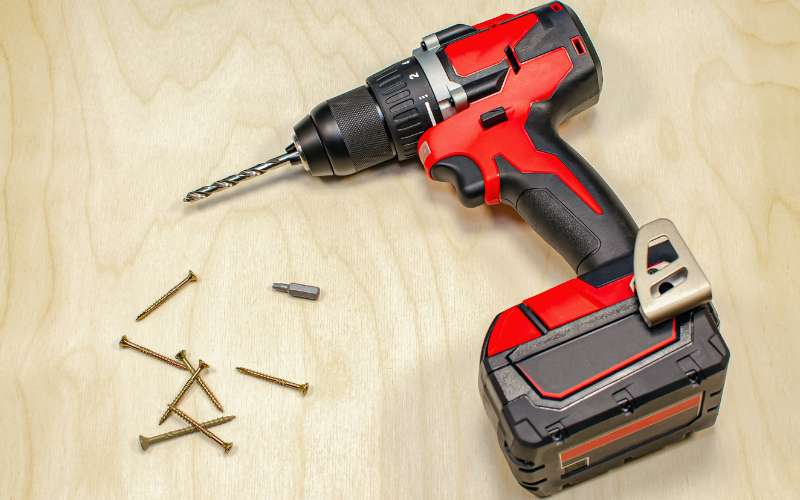
 How to choose the best cordless electric screwdriver for home projects?Read more
Whether you're tackling a simple shelf installation or embarking on a more complex home renovation, the right tool...
-
 What are the benefits of using multifunctional pliers for various tasks?Read more
In a world filled with specialized tools, it's easy to overlook the unsung hero of the toolbox: the multifunctional...
-
 Why use adjustable water pump pliers for plumbing and household repairs?Read more
Plumbing and household repairs often involve tightening, loosening, or gripping a variety of objects with different...
-
 How to safely use a quick change utility knife for cutting tasks?Read more
The quick change utility knife is a versatile tool for a variety of cutting tasks around the home, workshop, or job...
Blog categories
Search in blog
How to safely use a quick change utility knife for cutting tasks?
Understanding Your Quick Change Utility Knife
The quick change utility knife is designed for efficiency and ease of use. It typically consists of a handle containing a retractable blade mechanism, often with a sliding or push-button release system for changing blades quickly. There's usually a safety lock to prevent accidental deployment, ensuring the blade remains retracted when not in use.
Key Components
- Blade Release Mechanism: This is the system that allows you to easily swap out blades. It could be a sliding button, a lever, or a twist-and-lock mechanism, depending on the specific model.
- Locking System: Once the blade is extended, a locking system secures it in place to prevent accidental retraction during use. This can involve a simple button or lever that needs to be engaged and disengaged.
- Blade: The sharp edge of the knife, typically made from high-carbon steel for durability and sharpness. Blades come in various shapes and sizes to suit different cutting needs.
Safe Handling Practices
Prioritize safety above all else when using a quick change utility knife. Here are some essential guidelines:
Before You Start
- Inspect Your Knife: Check the blade for any damage or dullness before each use. Replace worn or damaged blades immediately.
- Secure Your Workpiece: Ensure your material is firmly clamped down or held in place to prevent shifting during cutting, which could lead to slips and injuries.
Cutting Techniques
- Maintain a Firm Grip: Hold the knife securely with both hands, ensuring a firm grip on the handle. Avoid using excessive force as this can lead to slipping or blade breakage.
- Keep Your Fingers Clear: Always keep your fingers away from the path of the blade. Use a guiding hand or push stick to direct the blade and keep your fingers safely out of harm's way.
- Cut Away From Yourself: When possible, position your body so that you are cutting away from yourself and other people. This reduces the risk of accidental cuts if the blade slips.
After You Finish
- Retract the Blade: Immediately retract the blade into its protective housing after completing your cuts to prevent accidental injuries.
- Store Safely: Store your utility knife in a safe, designated location, away from children and reach of unauthorized individuals. Consider using a specialized storage case or holster designed for knives.
Additional Safety Considerations
Remember that these guidelines provide a foundation for safe use. Always consult the manufacturer's instructions specific to your model of utility knife. If you have any doubts or concerns, seek guidance from an experienced professional.
Blade Selection
Choosing the right blade for your task is crucial for both safety and effectiveness. Quick change utility knives offer a wide range of blades to suit various cutting needs:
- General Purpose Blades: These are versatile blades suitable for common tasks like opening boxes, scoring cardboard, slicing thin materials, and light construction work.
- Utility Blades: Designed for heavier-duty cutting through tougher materials such as wood, plastic, insulation, and even drywall. They feature a thicker, more robust blade structure.
- Hook Blades: These blades have a curved or hooked edge that excels at scraping, removing paint, stripping insulation, and cleaning up tight spaces.
- Carpet Knife Blades: Specialized for cutting carpets and rugs. They typically feature a long, sharp blade with a pointed tip for precise cuts.
Always select a blade that is appropriately rated for the material you intend to cut and avoid using blades beyond their intended purpose. A properly selected blade will ensure clean, accurate cuts while minimizing strain on your knife and reducing the risk of accidents.
Sharpening and Blade Maintenance
Maintaining sharp blades not only enhances cutting performance but also contributes to safety. Dull blades require more force to cut, increasing the likelihood of slipping or breaking.
- Regular Inspection: Inspect your blades frequently for signs of dullness or damage, such as a noticeable loss of sharpness or visible nicks or scratches. Replace worn or damaged blades immediately.
- Honing:** A honing steel can help realign the blade's edge and maintain its sharpness between replacements. Gently stroke the blade across the honed steel at a consistent angle for several passes on each side.
While some quick change utility knives allow for sharpening, many blades are disposable. Replace them according to your usage frequency and the recommended guidelines provided by the manufacturer. Always follow proper disposal procedures for used blades to prevent injury or harm to others.
Proper Storage
Storing your utility knife safely and securely is essential to prevent accidental injuries. After completing your cutting tasks, always retract the blade into its protective housing.
- Dedicated Storage: Store your utility knife in a designated location away from children, pets, and unauthorized individuals. Consider using a specialized storage case or holster designed for knives to keep it securely contained.
- Secure Location: Choose a storage area that is out of reach but easily accessible when needed. Avoid leaving the knife on countertops, tool benches, or other open surfaces where it could be accidentally bumped or knocked over.
By implementing these proper storage practices, you minimize the risk of accidental injuries and ensure the longevity of your utility knife.
Additional Safety Tips
Beyond the fundamental guidelines discussed above, here are some additional safety tips to enhance your well-being when using a quick change utility knife:
- Wear Protective Gear: Always wear appropriate personal protective equipment (PPE) such as cut-resistant gloves, safety glasses, and closed-toe shoes. This provides an extra layer of protection against accidental cuts or flying debris.
- Work in a Well-Lit Area: Ensure adequate lighting when using your utility knife. Good visibility helps you see the blade clearly and avoid mistakes that could lead to injuries.
- Take Breaks: If you're engaged in prolonged cutting tasks, take regular breaks to avoid fatigue. Tiredness can impair your focus and increase the risk of accidents.
- Avoid Distractions: Minimize distractions while using a utility knife. Focus on the task at hand and be aware of your surroundings to prevent careless mistakes.
Leave a comment